

Plants use water when they receive enough light.
Watering a houseplant successfully begins with learning how to check whether it is thirsty or ready to be watered.
Checking for thirst before providing water helps you give the plant the water it needs and eliminates guesswork.
You may have heard advice that sounds like “Water your plant about once a week.”
This advice sets new plant owners up for failure because they are now providing water without knowing whether the plant needs it.
If the plant doesn’t need water, it is being overwatered; if it needed water earlier, the plant is suffering from underwatering.
So, instead of watering on a schedule, let’s learn how to check your plant to see IF it needs to be watered.
How to check if a plant is thirsty or ready to be watered
There are many ways to check whether a plant is thirsty. Many more than will be listed here.
However, I’m going to list 4 of the most common, beginner-friendly methods to help you get started and gain confidence with watering.
All of these methods center on how much moisture is left in your plant’s soil or how wet the soil is.
Use as many of these as you want or need to feel comfortable before watering. Meaning, you could use all 4 on the same plant before deciding whether to water it.
All 4 methods could be completed in 5 minutes or less, assuming you know where to find a chopstick. Trying to remember where I put mine is my biggest hurdle. 🙂
Then you can use the results from all of these tests to make an educated guess about whether the plant is thirsty.
- Finger test
- Push your finger into the soil (at least into the top 25% of the pot for most tropical houseplants is enough, but halfway is better)
- Notice whether the soil feels wet or dry
- Sometimes this method can be confusing at first. Cold soil can be mistaken for wet or moist soil. Use the pinch test below to help confirm.
- Pinch test
- Pinch some of the soil in the pot between your fingers.
- Does the soil stay together?
- Yes, it clumps. It’s wet.
- No, it disintegrated. It’s dry.
- Pot weight
- When plants are still in their plastic nursery pots, you can use the weight of the pot to know how much water is left
- When the plant is well watered, the pot will be much heavier than when it is dry
- The easiest way to use this method is to pick up your pots and get used to their weight.
- Then, when you think the plant is dry (you can confirm using other methods), saturate the pot thoroughly in the sink, letting water run through plenty of times to ensure the plant is well watered.
- Once the plant is watered, pick up the pot and notice how much heavier it is.
- This experience of a drastic weight difference between well-watered and dry plants will help you to assess whether your plants need water
- Chopstick test
- A chopstick can be gently pressed into the soil, down to the level that you want to check (the bottom of the pot, halfway down, etc).
- Then remove the chopstick slowly. If the chopstick is clean upon removal, the soil is dry. If the chopstick has soil stuck to it, the soil is still wet.
- For more information about how much different plants want to dry out and how deeply to insert the chopstick, check out the last section in this post.
When you water the plant, water it thoroughly!
If the plant is ready to be watered AND the pot has drainage holes, then know this: you cannot overwater it!
Provide lots of water so the water saturates the soil and runs through the drainage holes.
The easiest way to do this is to place the plant in the sink and use the faucet.
I love to run water through the pot and drainage holes several times to ensure the plant is thoroughly watered. I will confirm it is well-watered by picking the plant up and feeling the heavy weight of all that water.
You cannot provide too much water if the water is draining through the pot and out. It only becomes a problem if the extra water sits where the soil and roots can still access the water, creating a swampy scenario.
So, if you do see excess water sitting in a drainage tray or in the bottom of a cache pot, dump it out, and you are good to go.
More information about how much different types of plants prefer to dry out before watering
Plants that prefer to dry out halfway (most general houseplants)
Check HALFWAY DOWN for Most Houseplants: Most common houseplants want to dry out about halfway, so checking about halfway into the pot is sufficient. They do not need or want to be completely dry like a desert plant.


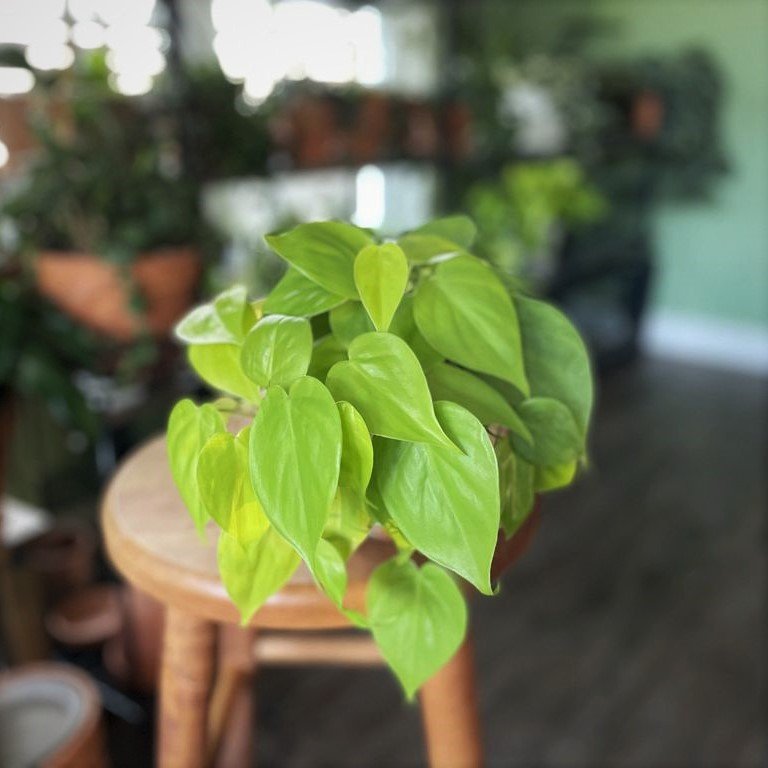

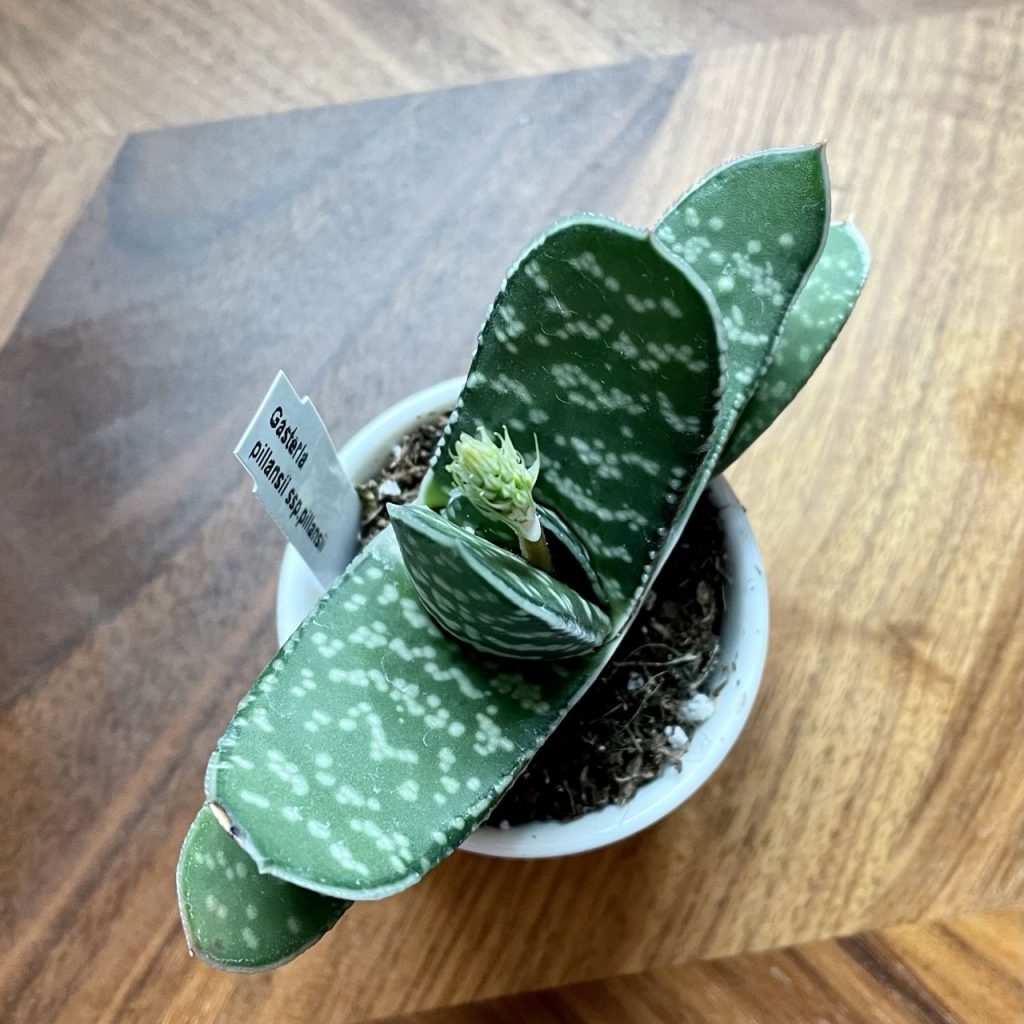
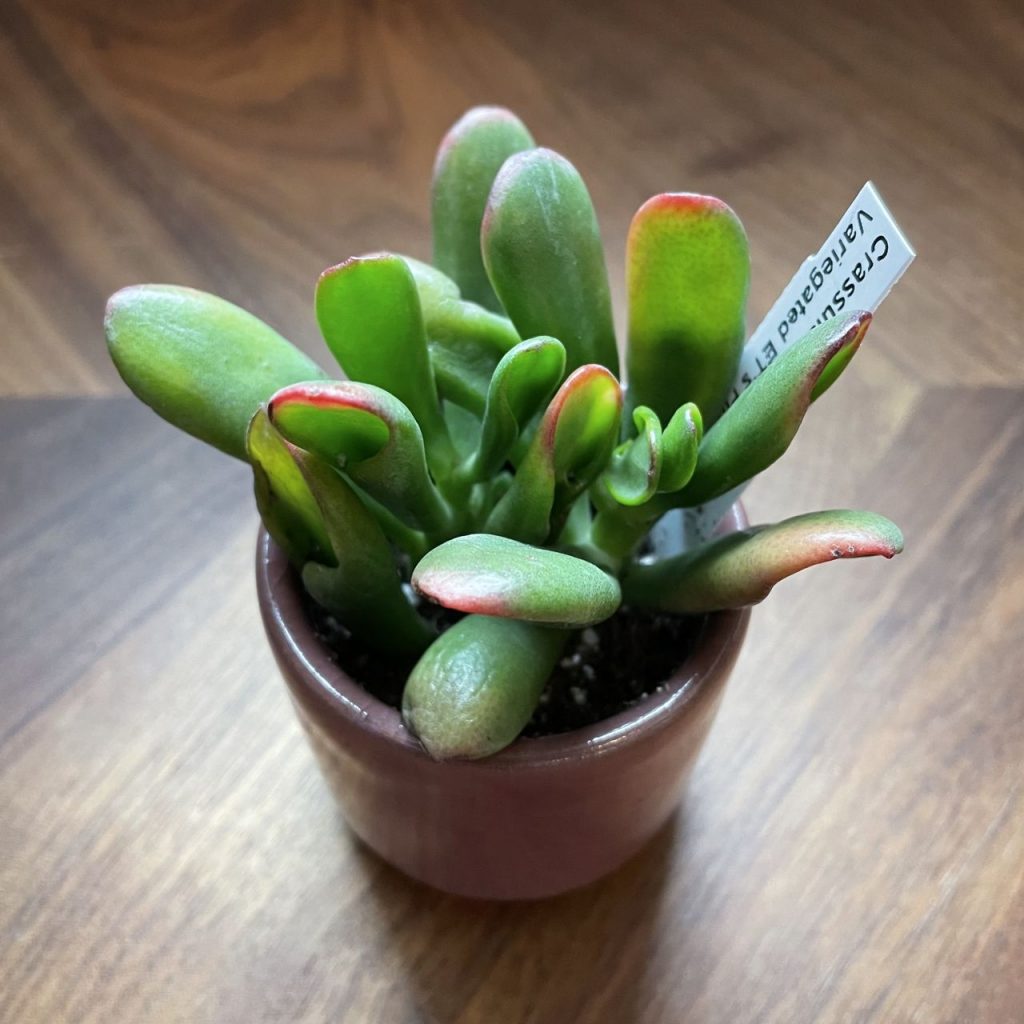
Plants that prefer to dry out all the way (desert plants and more succulent tropicals)
Check ALL THE WAY DOWN for Plants that Need to Dry Out: Some common houseplants (like ZZ plants, snake plants, cacti, and succulents) do want to dry completely out, and you will want to make sure they are super dry from top to bottom.
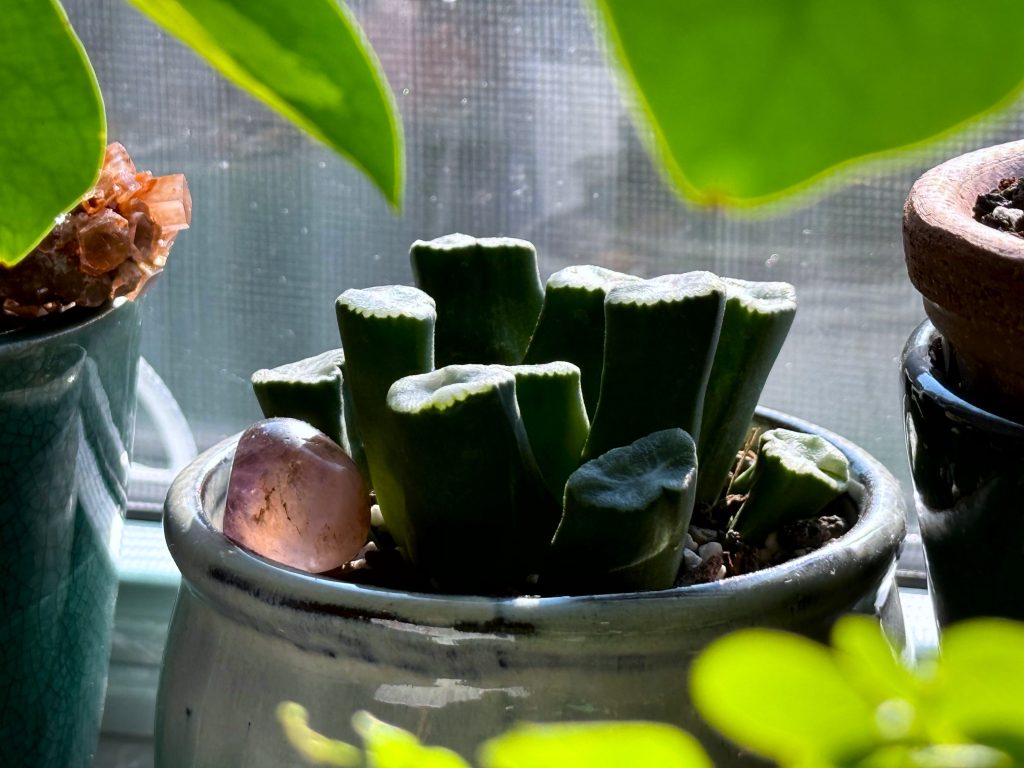
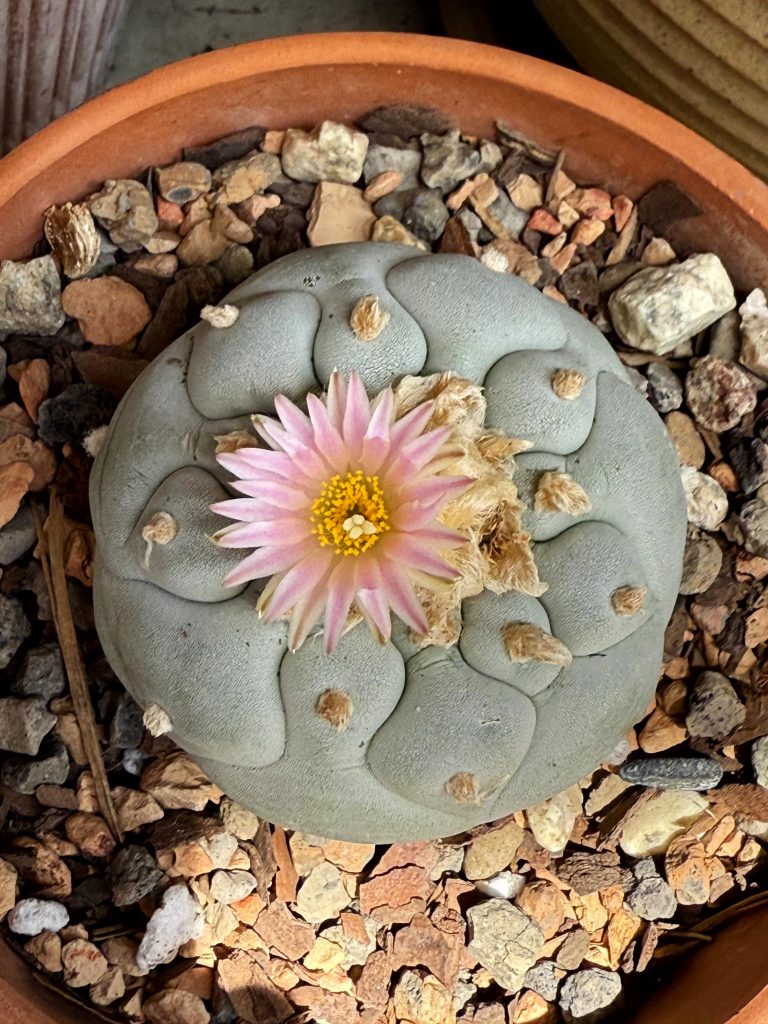
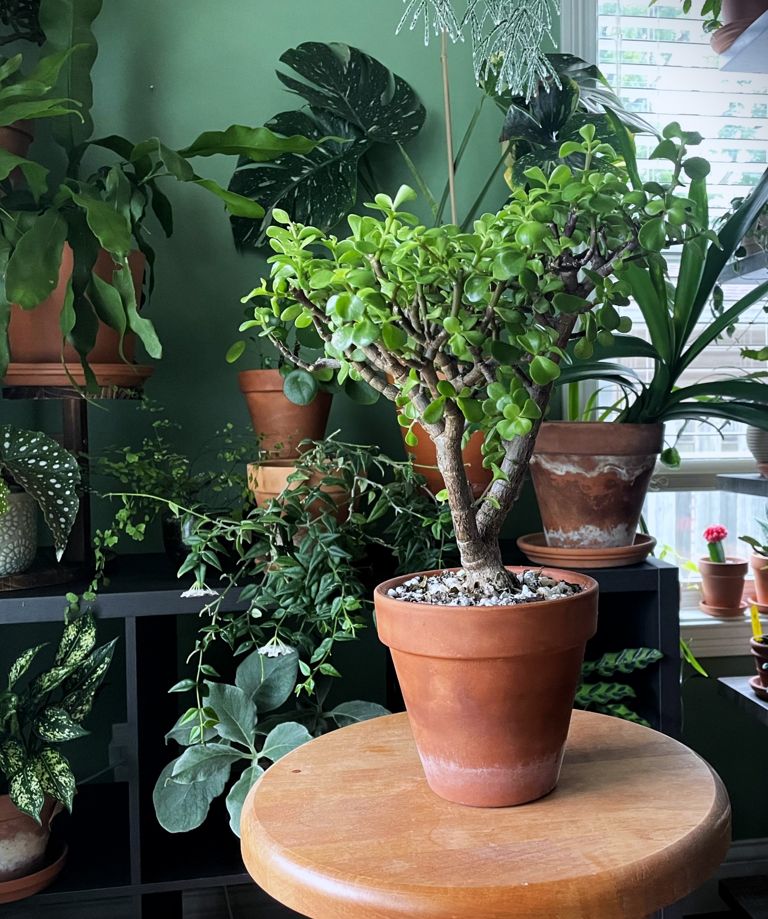

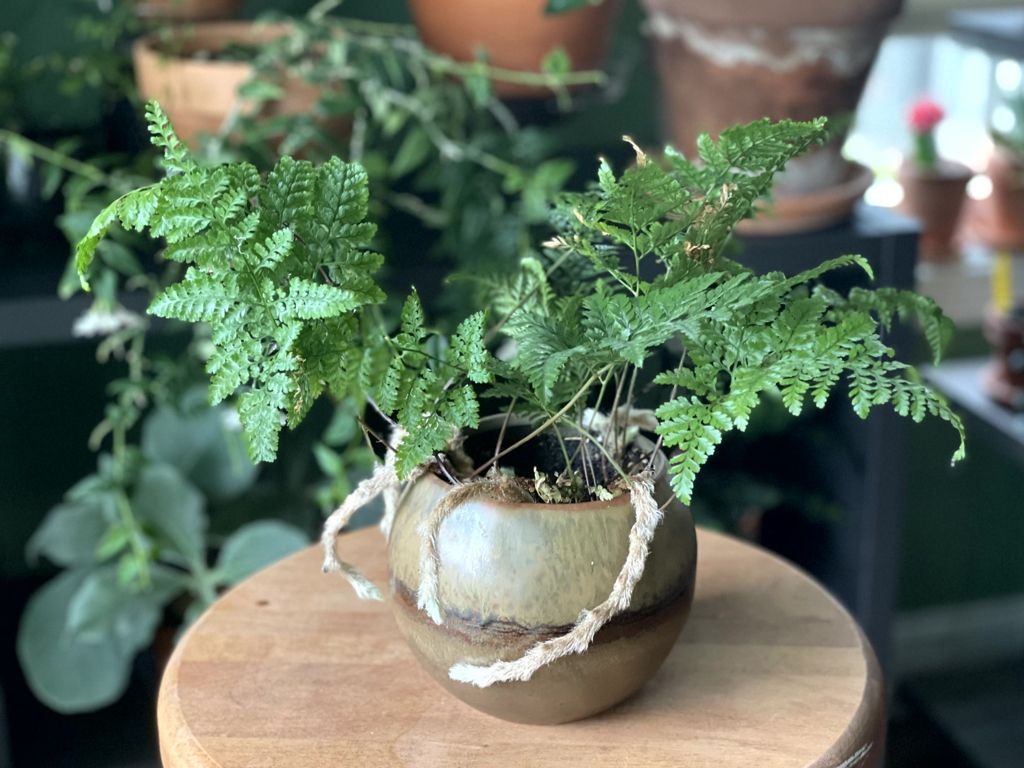
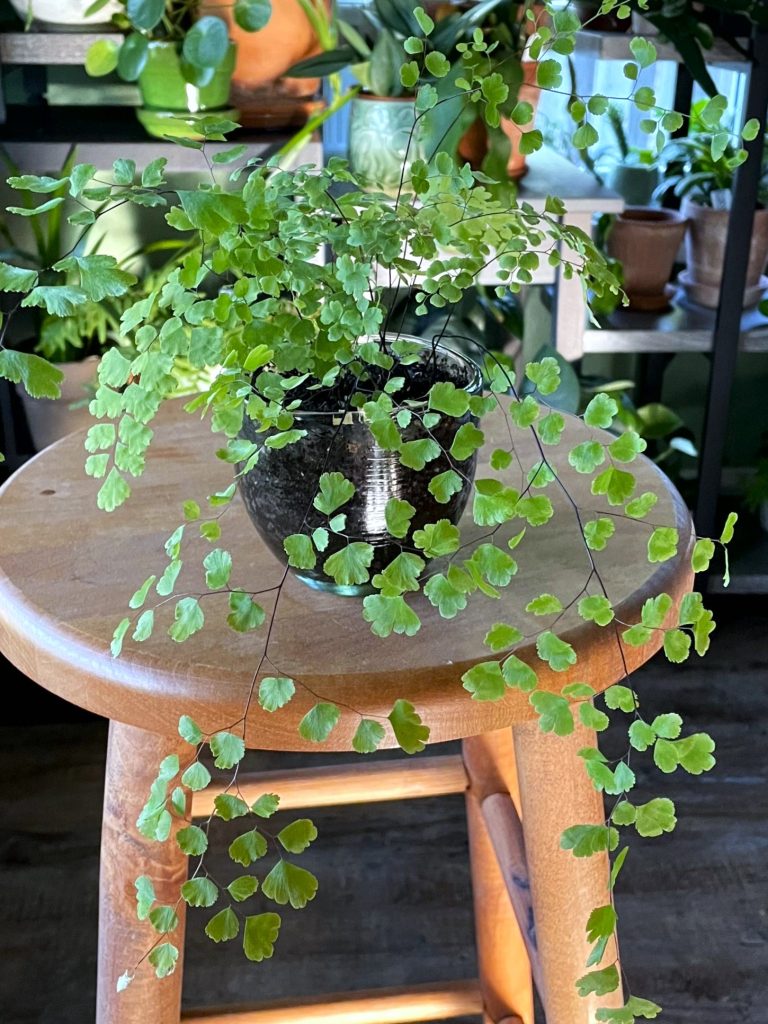
Plants that prefer to always be moist (ferns, prayer plants, and other water-lovers)
Check the SURFACE OR JUST BELOW for Moisture-Loving Plants: Lastly, some houseplants prefer to dry out only a little and need to remain pretty moist. These plants are typically ferns, common ivy, prayer plants, and other very delicate, thin-leafed plants.



Want more in the Start Here Series? Check these out:
- You Can Learn How to Grow Houseplants. Start Here, #1
- How to easily ensure your houseplant will get enough sunlight. Start Here, #2
- How to water your new plant (and feel good about it). Start Here, #3
- Fertilizing a houseplant seems complicated, but it’s not. I’ll prove it. Start Here, #4
- Do you need to repot your houseplant? And if so, what then? Start Here, #5 (Available on or after 3/27)
- What about pests? What does a beginner need to know? Start Here, #6 (Coming Soon)
0 Comments