

Brené Brown, a well-known shame and vulnerability researcher/storyteller, spent more than a decade researching what happy people have in common.
Her data showed that people who described themselves as joyful also actively practiced gratitude. 2
She explains:
“For me it was very counterintuitive because I went into the research thinking that the relationship between joy and gratitude was: if you are joyful, you should be grateful. But it wasn’t that way at all.
Instead, practicing gratitude invites joy into our lives.
Practice is the part that really changed my life, that really changed my family and the way we live every day. When I say practice gratitude, I don’t mean “the-attitude-of-gratitude” or feeling grateful, I mean practicing gratitude.” 2
Besides making you more joyful, practicing gratitude has been shown to increase a person’s physical well-being, emotional resilience, self-esteem, and determination.1
What does it look like to practice gratitude?
David Steindl-Rast, a monk who runs a global network devoted to helping people find joy through gratitude, shares that living a grateful life begins by remembering that every moment we have is a gift. 3
We have no assurance there will be more moments, so he advises us to recognize that the very existence of this present moment is precious and full of opportunity.3
What about those moments that are particularly challenging – like the loss of a loved one or the end of a relationship?
Steindl-Rast says that we cannot be grateful for everything, but we can try to remain open to learning or growing from these experiences. 3
He has a 3-step approach to embracing gratitude in each moment:
1. Stop: Take time to appreciate life, whatever that may mean for you
2. Look: Use our senses to bask in the richness life has given us
3. Go: Then we can go and do what life needs us to do while trying to remain grateful for the opportunity
“[Gratefulness] can change our world in immensely important ways.
If you’re grateful, you’re not fearful. If you’re not fearful, you’re not violent. If you’re grateful you act out of a sense of enough, not out of a sense of scarcity. And you are willing to share. […]
Grateful people are joyful people; the more joyful people are, the more we’ll have a joyful world.” 3
David Steindl-Rast from his TED talk, “Want to be happy? Be grateful.”
How can we practice gratitude when interacting with our houseplants?
Our houseplants give us opportunities to slow down and appreciate the small stuff.
Here’s some examples of observations that might enhance your gratitude practice and your relationship with your houseplants:
Noticing how small changes over time create big change.
Plants change slowly– growing longer or bushier, developing flowers or losing leaves, leaning and stretching this way or that.
Part of the beauty of living with plants in our home is noticing these changes.
Taking just a few moments daily to observe how our plants are growing and appreciating their growth is another opportunity for us to practice gratitude.
We can also use these moments to remember that we, as humans, also change slowly and that we should be patient with ourselves.
Almost all big positive changes that we set out to achieve (getting into shape, starting a business, etcetera) requires lots of consistent micro-changes to achieve them.
Just as we give patience and kindness to our plants while they take the time they need to lean into their change, we can give ourselves this same kindness and understanding.
Realizing the wisdom gained over time
I have been guilty in the past of focusing on the plants that died in my care rather than those that lived.
It was this negativity that had me believing for a long time that I was a terrible indoor gardener.
Then, one day, I stopped to realize that I had been successfully caring for a few houseplants for multiple years.
I didn’t see the success I was having with a few houseplants by focusing on those I lost.
There is a quote that I have seen attributed to a few authors which states:
“We can complain because rose bushes have thorns, or rejoice because thorn bushes have roses.”
I realized that I was focusing on the thorn bushes of my indoor gardening experience and completely missing my roses.
Yes, some of my plants had died, but I had learned something from those experiences that I was putting into practice without realizing it.
How did I know? Because I was now able to keep the plants currently in my home alive!
Reflecting on personal growth and wisdom gained can be very fulfilling and renew a personal sense of gratitude for what has become the new normal.
My new normal had become caring for the remaining plants in my home without giving myself credit for doing so.
I accidentally took their growth and life for granted, just as I had taken my own growth as a plant parent for granted.
It was no accident that these plants were still alive and I was grateful that I could now see my budding green thumb.
It takes time and effort to know what we know now and to achieve what we have achieved now. Stopping for a moment to remember that can be incredibly fulfilling and an excellent way to exercise our gratitude practice.
Observing the small, everyday beauty
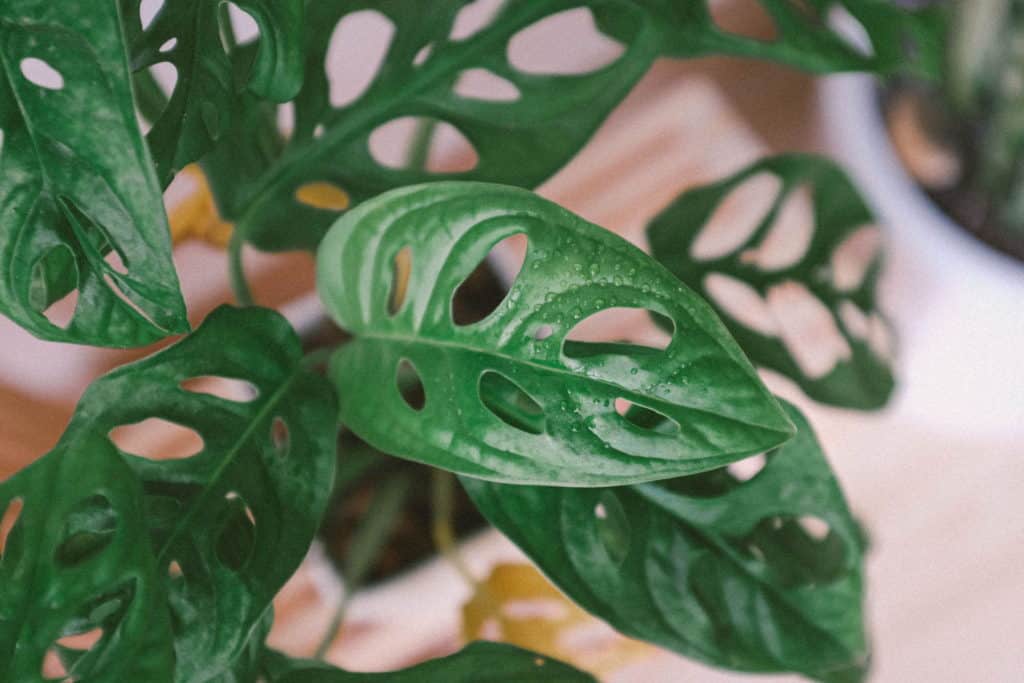
Houseplants also provide us opportunities to see moments that have become routine through eyes filled with wonder.
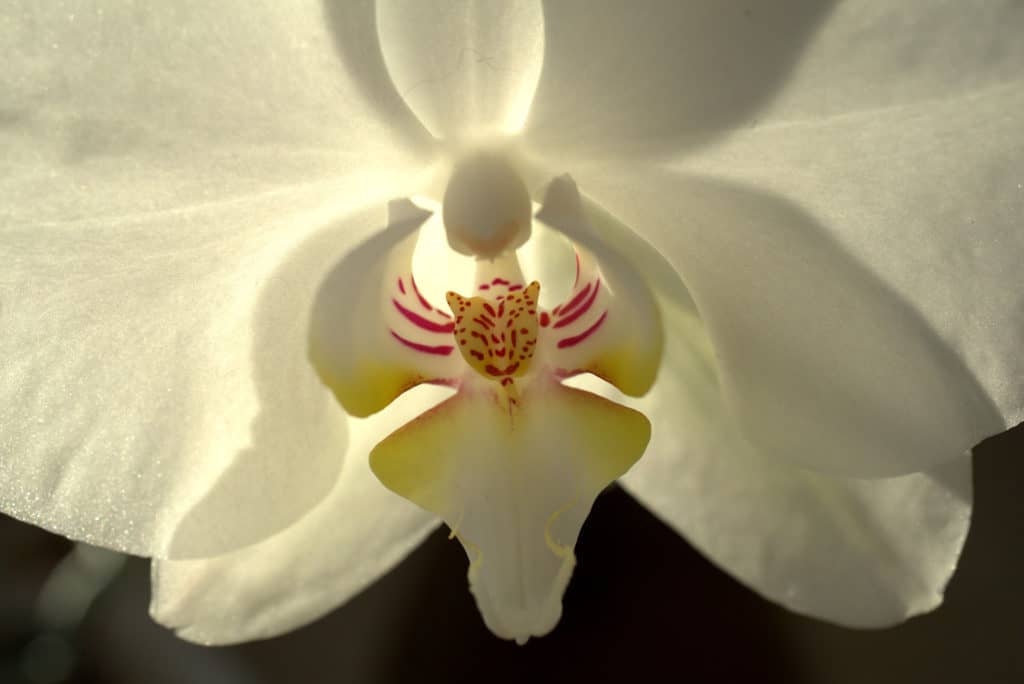
For example, the sun rising and setting can take on new meaning as we observe the way its light cascades across our plants or illuminates the leaves from beneath exposing a pattern that we may not have otherwise become aware of.
We can gain a new appreciation for the ability of water to rejuvenate a dehydrated plant, lifting it from wilt to life.
While these daily occurrences may not seem like much, recognizing their beauty can take what seemed like just an ordinary day and help you to rediscover the extraordinary every day.
Conclusion
Incorporating houseplants is just one of the innumerable ways to practice gratitude.
Consciously making gratitude a part of your daily life is proven to rewire the way your brain operates and your ability to process your life, particularly the challenges you face.4
In the spirit of practicing gratitude, I’m grateful for you! Thank you for being here and for reading this. 🙂
Resources
- https://www.psychologytoday.com/us/blog/what-mentally-strong-people-dont-do/201504/7-scientifically-proven-benefits-gratitude
- https://globalleadership.org/articles/leading-yourself/brene-brown-on-joy-and-gratitude/
- https://blog.ted.com/want-to-be-happy-be-grateful-brother-david-steindl-rast-at-tedglobal-2013/
- https://greatergood.berkeley.edu/article/item/how_gratitude_changes_you_and_your_brain
Click to read last week’s post: Why is Your Moon Cactus Dying and Can It Be Saved?
Submit your plant questions below to have them answered in a future post!
0 Comments
Trackbacks/Pingbacks