

Plant pests happen to everyone, experts and beginners alike.
I like to think of plant pests kind of like the germs we humans pick up.
Everyone gets sick sometimes, and the vast majority of the time, it isn’t a big deal.
However, unlike humans, plants don’t have a built-in immune system to fight these pests. Here’s why:
Pests prey on plants externally, and pest populations are kept in balance by external predators. Therefore, the plants require these external helpers to control these pests.
In other words, pest bugs eat the plants, and helper or beneficial bugs eat the pests.
For example, green lacewings are a common insect that feeds on many of the plant pests we discuss below.
The natural world is full of systems that provide checks and balances, so that neither pest, plant, nor beneficial insect becomes too heavily populated. I could say a lot more about this subject because it’s really fascinating, but it’s better suited to a separate article, so look for that in the future!
As you may have already guessed, this system doesn’t work quite as well in our homes since our homes are incredibly sterile compared to the outdoors.
How to Recognize Common Plant Pests
Recognizing pests on our plants starts with simply looking at them and noticing changes. Here are some changes to watch out for.
Leaf changes
One of the most frequent ways I notice pests on my plant is by observing the leaves. Looking at the plant’s leaves regularly gives me an idea of what they look like when they’re doing well and makes it much easier to notice when something starts to change for the worse.
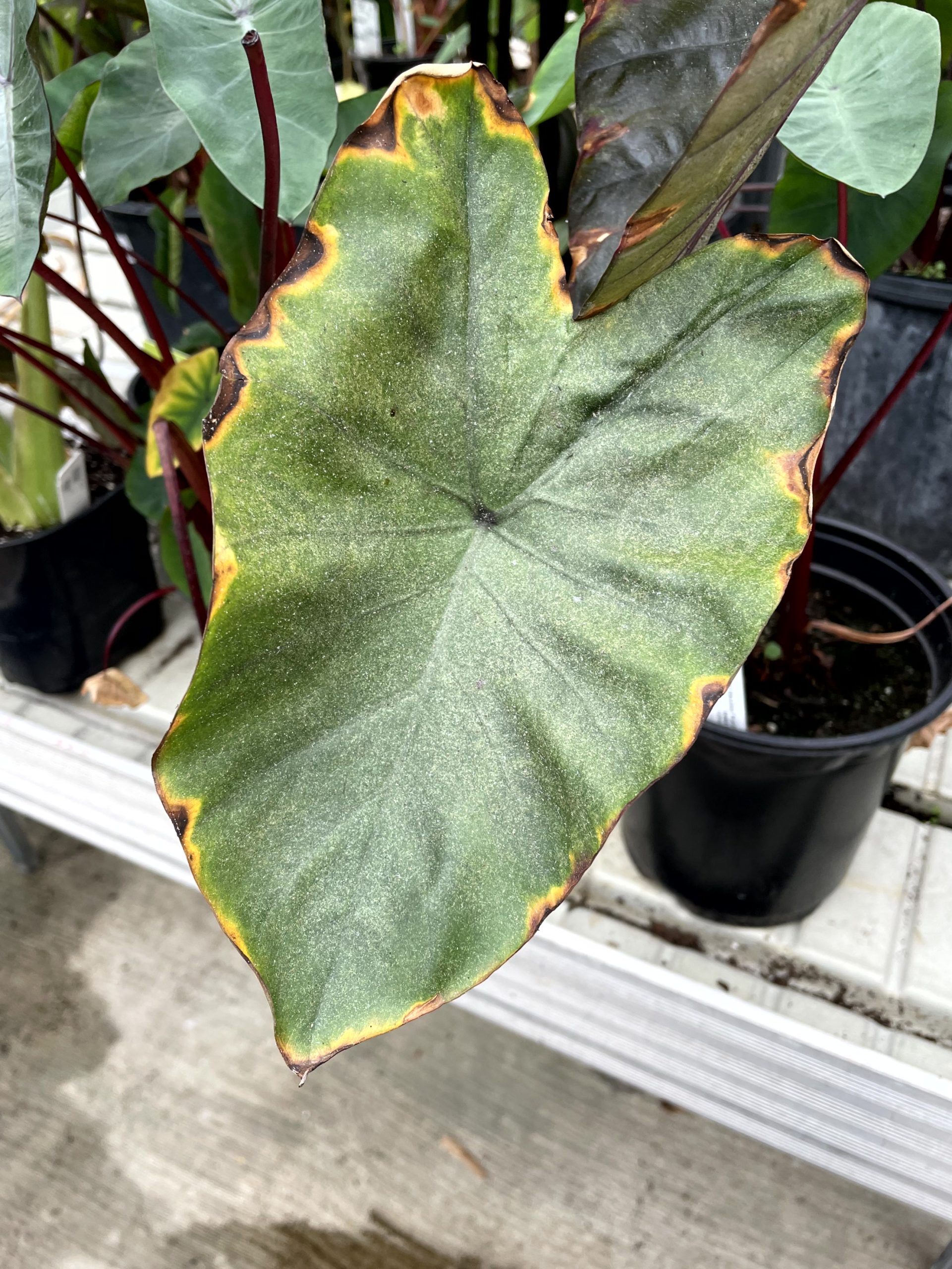
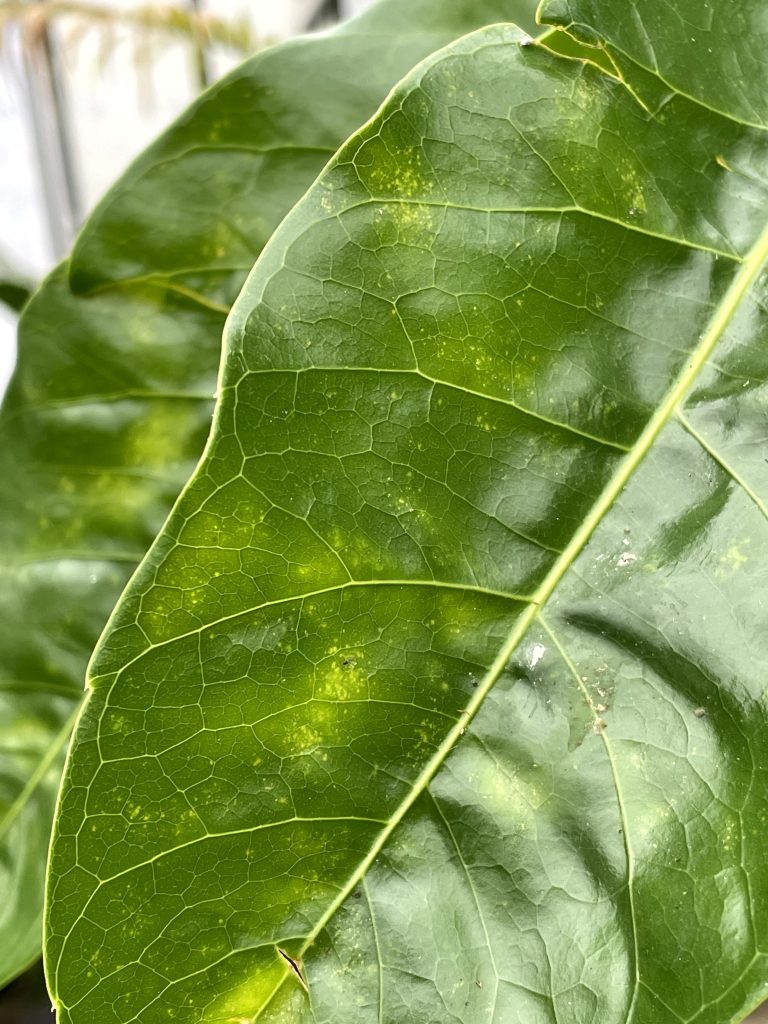
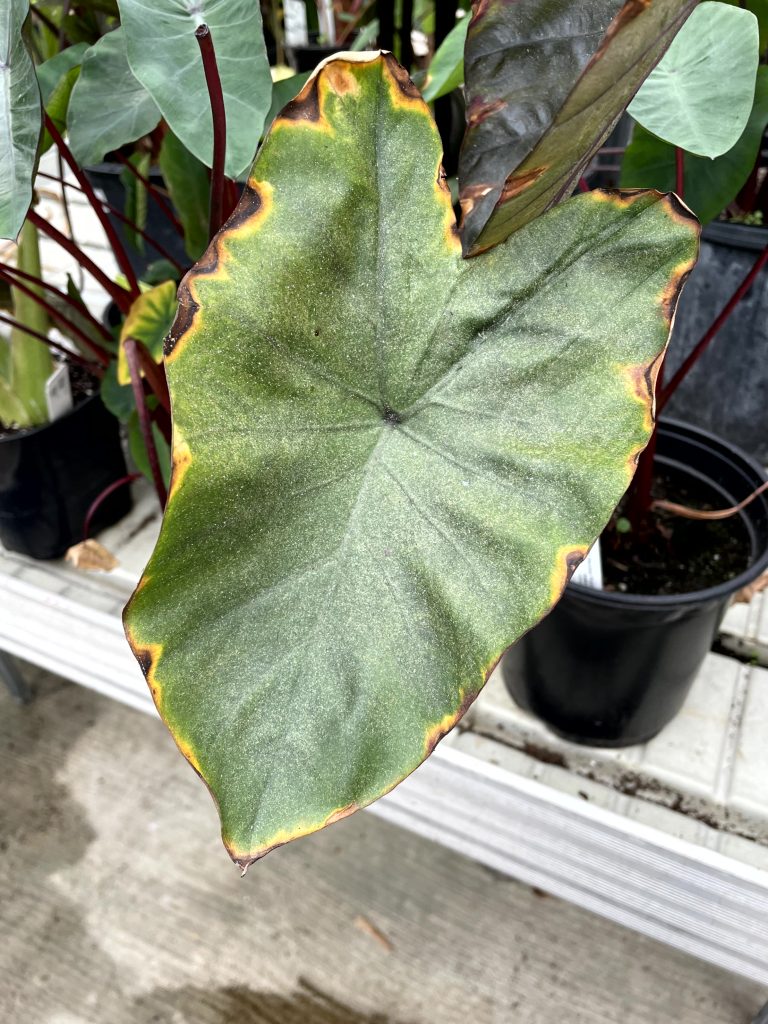
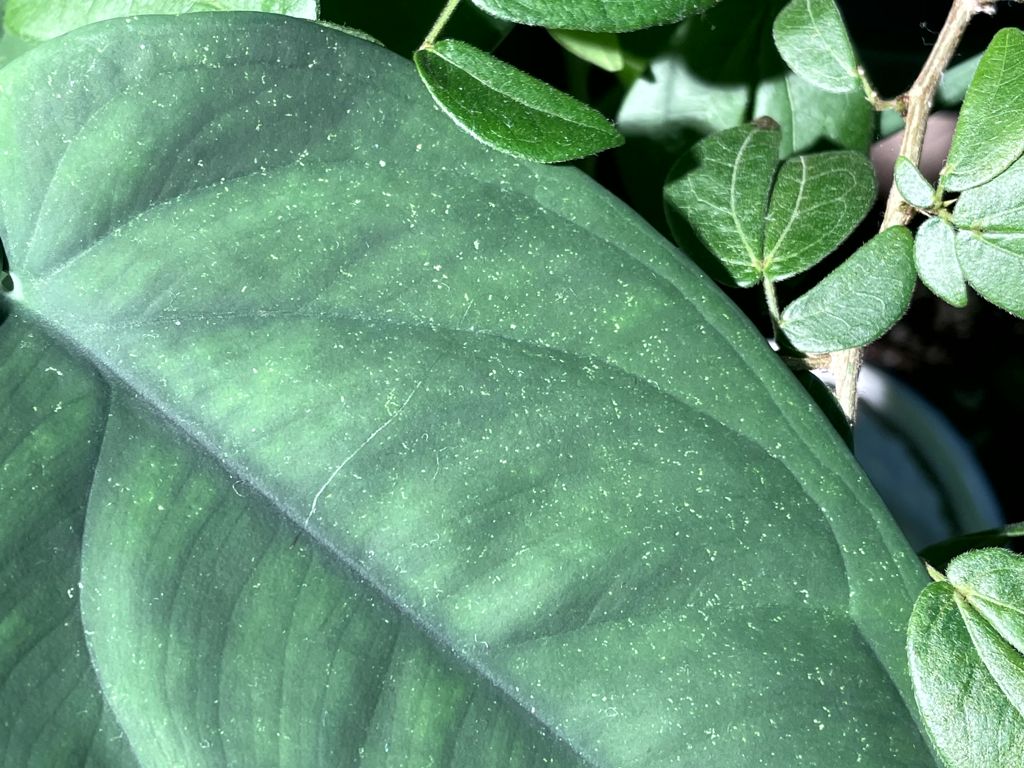
I look for yellowing leaf edges, yellow speckling or spots, patches on the leaves that are getting lighter or look a bit roughed up, bumps, strange scratches, specks of any abnormal color (black, white, red, brown, orange, green, yellow…), or little flies that are hovering around or near the plant.
We will discuss what all of these signs might mean below, while I go through the most common pests to watch for when caring for houseplants.
Fungus gnats
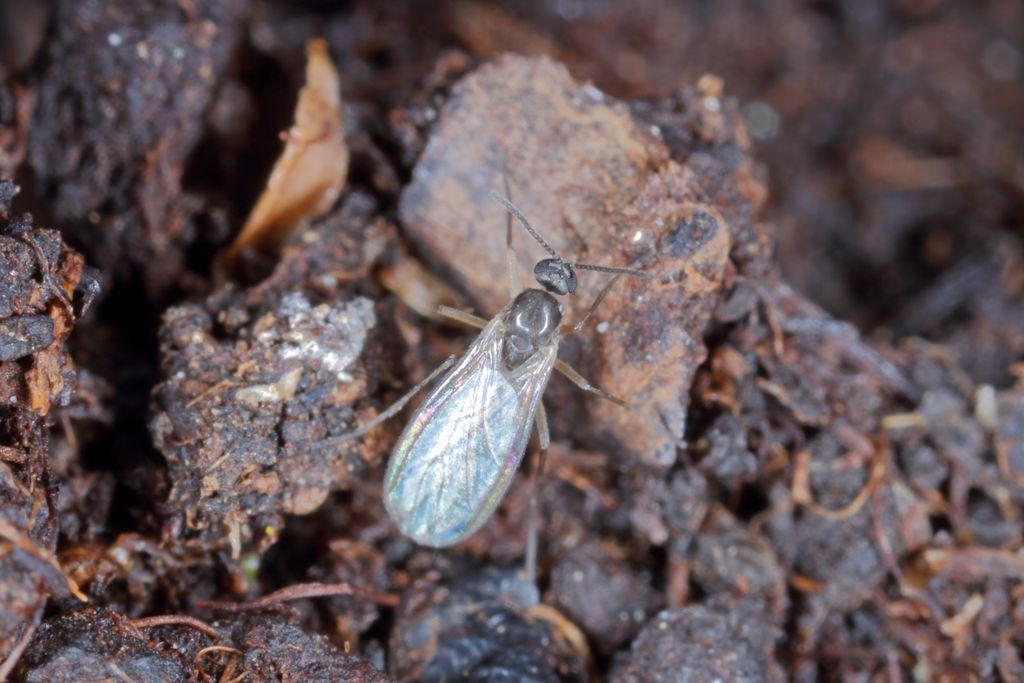
Fungus gnats are by far the most common plant pest that people deal with. They are tiny, black flies that live in the top layer of soil in your plant’s pot.
They are extremely common hitchhikers in new plants (particularly if the plant is in wet soil when you bring it home), but that isn’t the only way you can get them.
Fungus gnats can come in on fruit, hang out and thrive in sink drains, and introduce themselves via new bags of potting soil purchased for repotting plants.
While they are super annoying to deal with, they aren’t super harmful to plants. To get rid of them when in large quantities, don’t let fruit sit out for a couple of weeks, clean sink drains with vinegar and baking soda, and add some mosquito bits to your water before you water your houseplants.
Also, letting the first few inches of a houseplant’s soil dry out will help to prevent fungus gnats from surviving. They need the moisture to reproduce and thrive.
Spider Mites
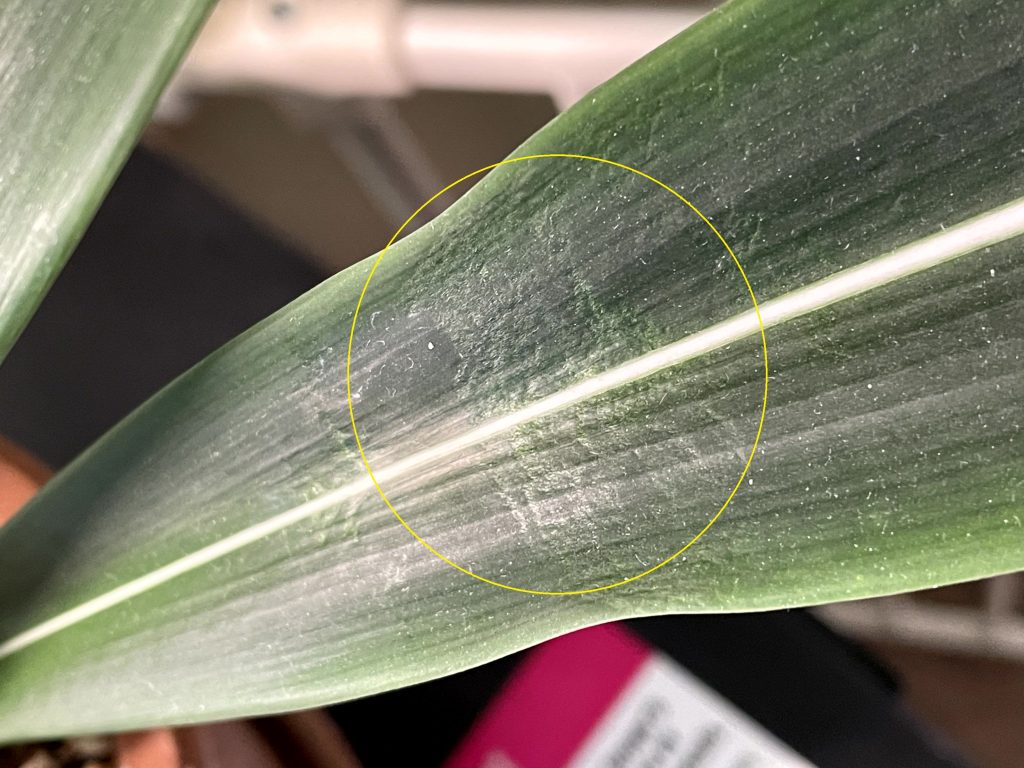
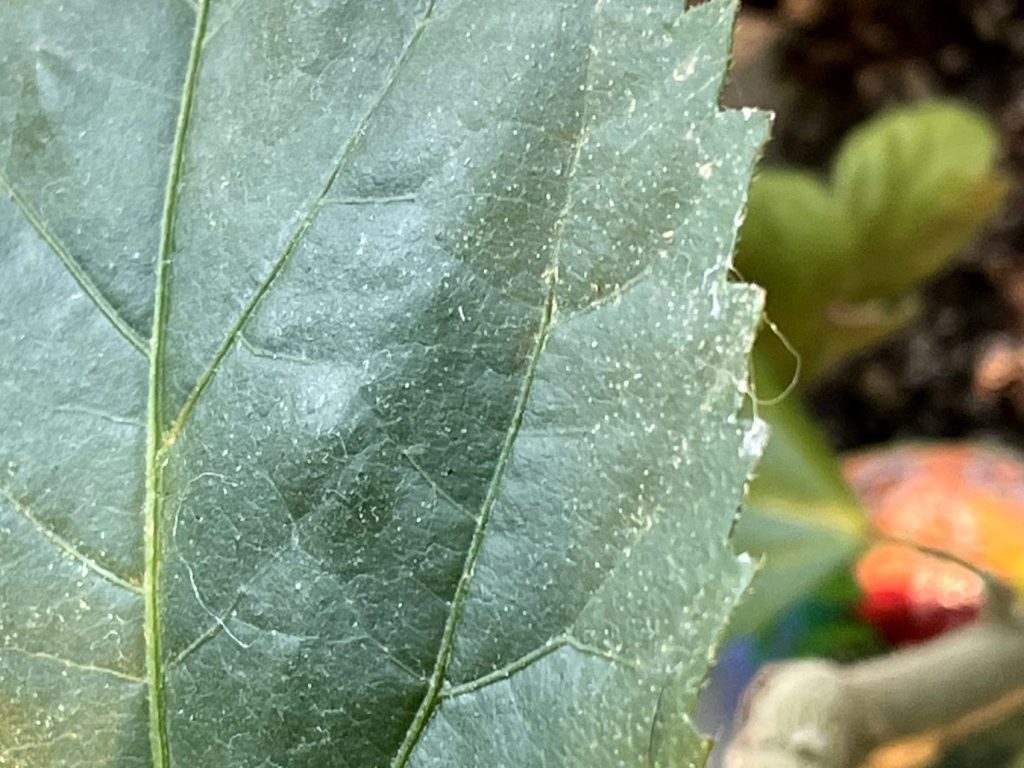
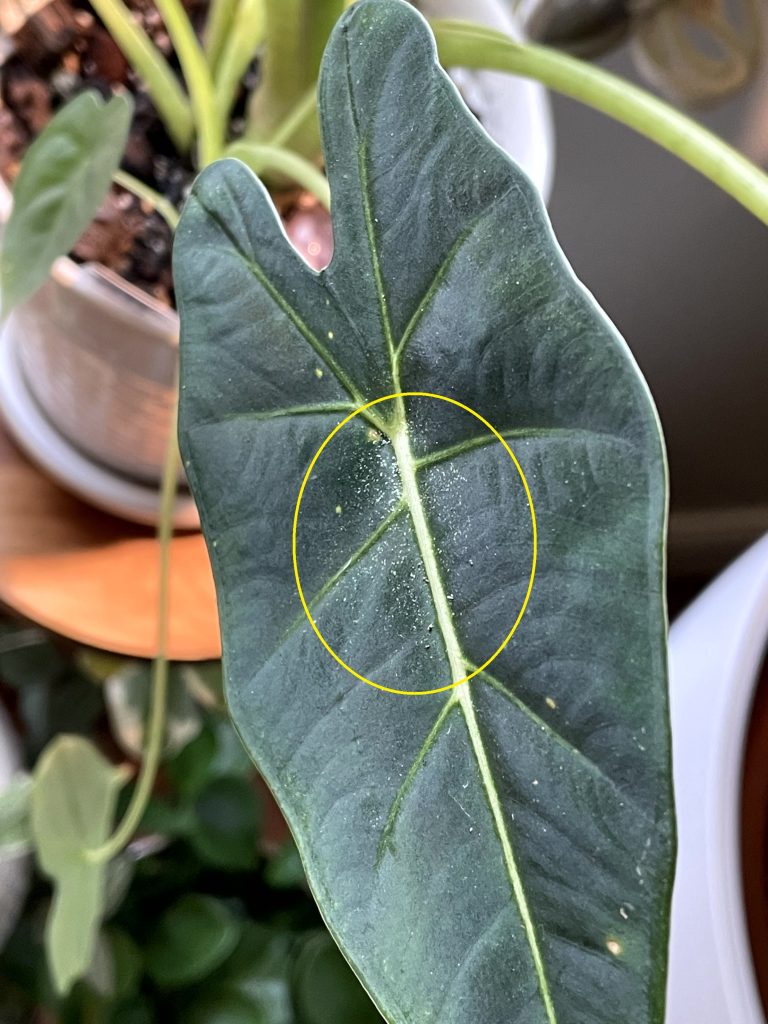
Spider mites are tiny arachnids that enjoy wreaking havoc on houseplants by sucking sap from the leaves. This leaves little pinprick marks on the leaves.
The mites are so tiny that it is common to see the marks on the leaves before you ever notice the bugs themselves.
They also form webbing, particularly at more advanced stages of infestation, to provide themselves with shelter for living and reproducing.
Spider mites love dry conditions, velvety plants, and alocasias. Boy, do they love alocasias.
Mealybugs
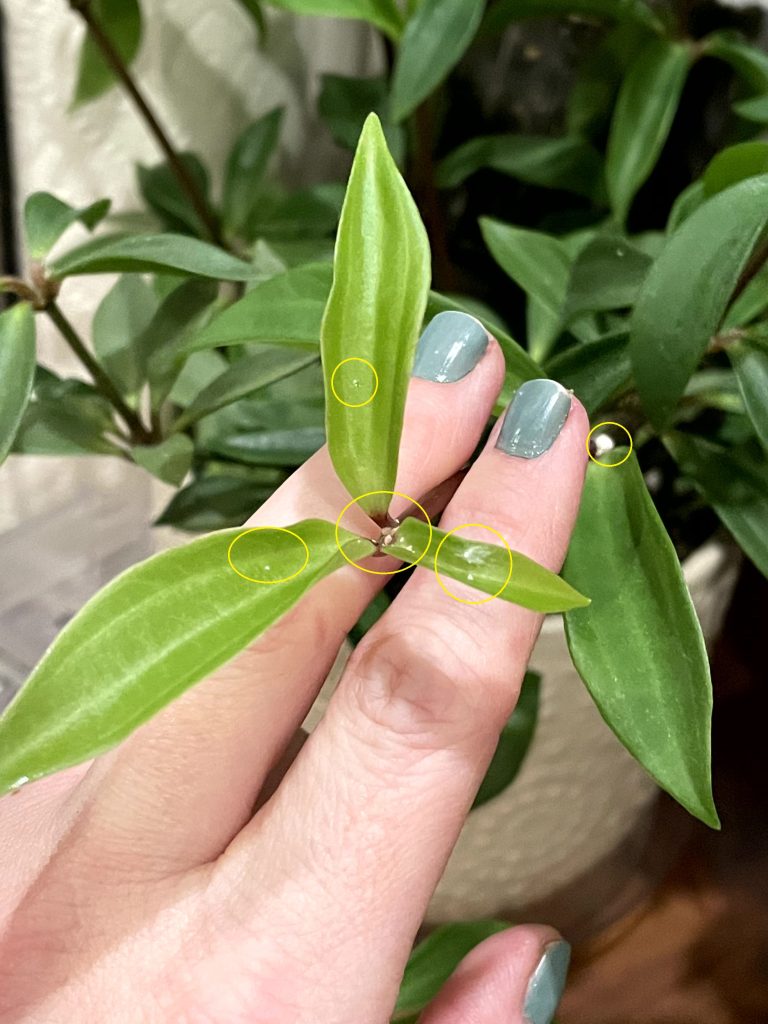
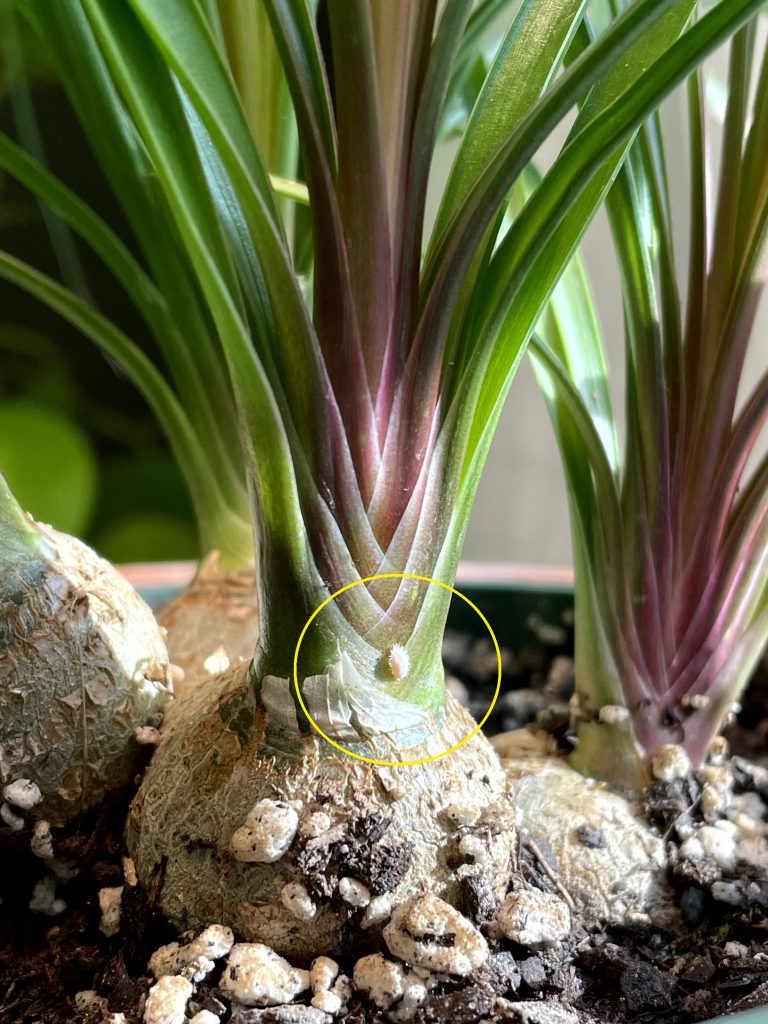
Mealybugs are oval-shaped, tiny, and white. They particularly love succulent and juicy plants, but you can find them on others as well.
These little buggers love to hide in the places where stems meet and have a particular taste for new growth (but will also eat anything they have the chance to).
Look for sticky, white cottony stuff or oval-shaped white bugs.
Thrips
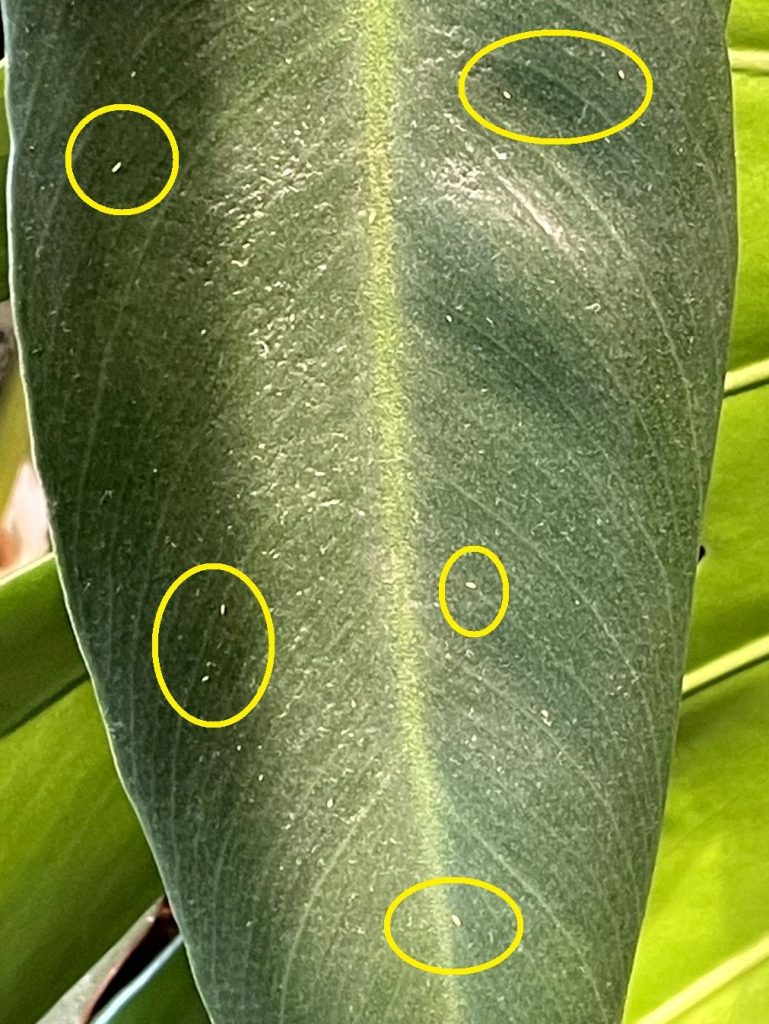
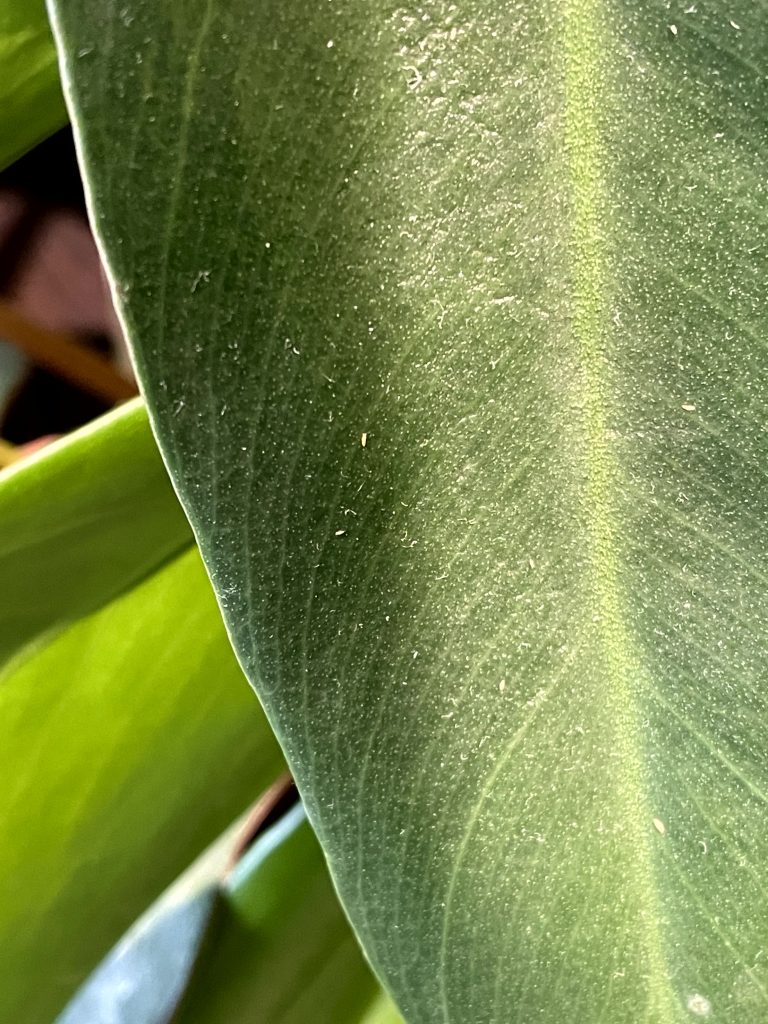
Thrips are ferocious pests that reproduce rapidly and prefer thin or velvety leaves. If the leaves are both thin and velvety, like those of some philodendrons, you might as well roll out the welcome mat for thrips once you’ve got them. That’s their favorite!
They are typically white when juvenile and look like teeny tiny pieces of rice. Barely noticeable to the eye. As they mature, they will turn black and be slightly larger, though still no larger than a grain of rice.
Often, people notice the damage first: distorted new growth, yellowing patches on existing leaves, or a silvery appearance of leaves.
Scale
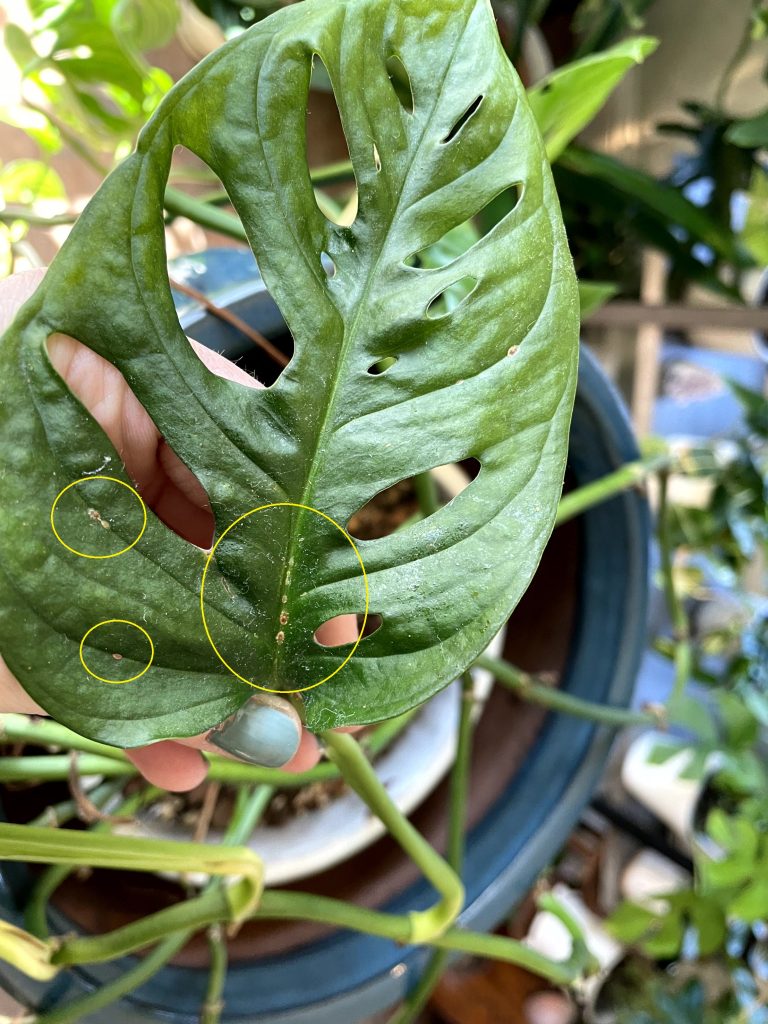
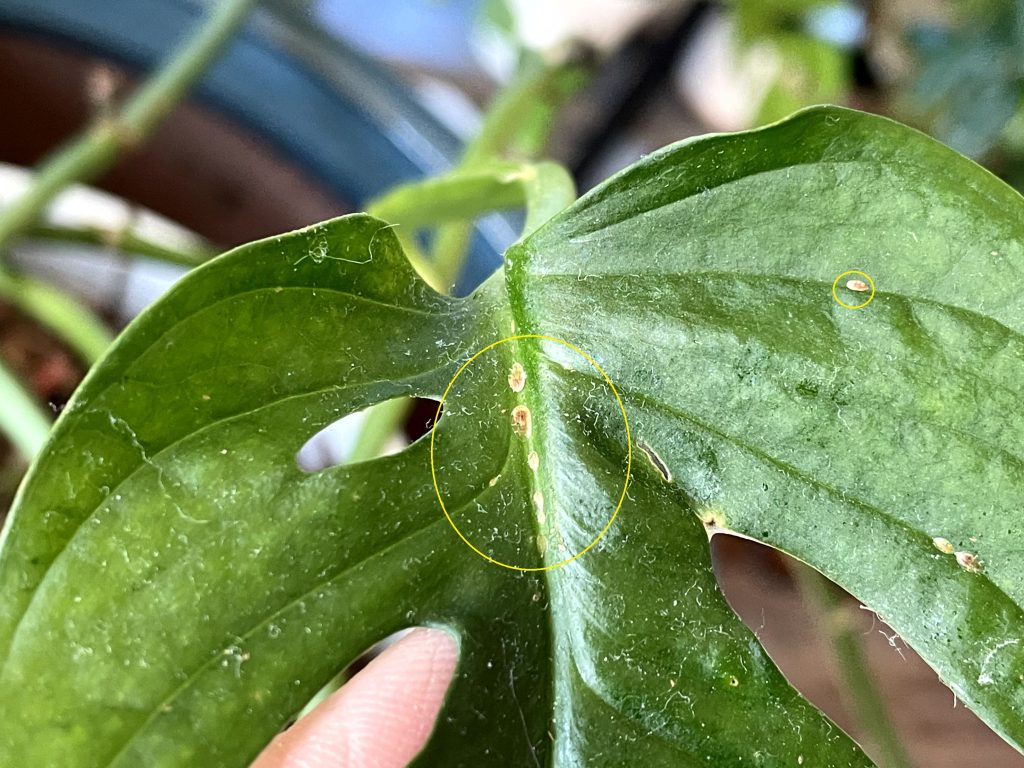
Scale insects were named for their bump-like appearance, which sometimes mimics that of a reptile scale.
When young, they move slowly to find a place to attach to the plant. Once attached, scales will reproduce beneath their protective shell, making it difficult to control the adults and the babies without manual intervention.
Why Plants Get Pests (It’s Not Because You are Failing!)
Pests just happen, in nature and in our homes.
A plant that is stressed is more prone to pests, just like you are more prone to illness when stressed.
However, even a healthy plant can have or get a pest.
Pests can come in on new plants, produce, through windows, on us, on pets, etcetera.
The key to helping plants cope with pests is to notice them early enough to treat them before they get out of control.
The 2 Easiest Ways to Prevent Pests
#1 Inspect new plants
Before you bring a plant home (if purchasing in person), try to look at the tops and bottoms of the leaves, the stems, and the soil.
Take a look at the signs and symptoms we discussed above. If the plant is showing any signs of pests, consider leaving it at that store.
Also, try to choose a plant that appears to be in good overall health. Does that plant look lush? Is it growing? Does the soil look and smell healthy?
If you see no signs of pests and all signs of good health, you have likely found a winner!
#2 Shower existing plants
If you are able, simply putting your plants in a tub and showering or hosing them off with water (gently enough so they don’t get beaten down) will really help maintain their health.
By simply showering your plants from time to time, you not only wash away a lot of pests but also wash dirt, dust, and grime off the leaves. That buildup you just removed from the leaves will allow your plant to absorb more sunlight, enabling it to grow faster and maintain better health.
How to Treat Your Plant When You Find Pests on It
If you find pests on your plant:
- Shower your plant off with water, if possible
- Shower both the tops and bottoms of leaves
- This will remove a surprising number of bugs
- Purchase a simple insecticidal soap spray available at your local garden center that is listed as safe for houseplants (which means it is safe for you)
- Spray your plant thoroughly – you want to coat the plant because the bugs need to be smothered by the spray in order to be controlled.
- Do not put your plant back in a place where it receives light until it dries. The spray makes the plant more sensitive to light and more prone to burn.
- Repeat the spray every few days until you see that the pests are gone
When Do Pests Mean You Need to Panic?
Honestly, I don’t think pests ever require panic, but it took me some experience to learn that.
There are some circumstances in which pests require you to ditch the plant. And that can be hard.
When you realize the plant is really covered in pests, it’s usually not worth trying to salvage.
This can happen with tiny pests that can hide if you aren’t looking for them (like thrips and spider mites). It also happens when our own lives get busy, and we aren’t able to observe our plants as closely as we normally would.
It is usually time to dispose of the plant to prevent other plants in your home from being infected.
Barring these circumstances, which can feel very burdensome and sad at times, pests aren’t something to panic about.
Though if you do panic, I promise you aren’t alone. I’ve been there.
But if you stick with plants for long enough, you’ll realize that pests come and go. With a little effort, you can get them within a reasonable amount of control and not worry too terribly much about them wreaking insurmountable havoc.
Some people even bring in beneficial bugs, so they have both the good guys and the bad guys in their homes to help maintain some natural order.
Happy growing!
Related Posts
- You Can Learn How to Grow Houseplants. Start Here, #1
- How to easily ensure your houseplant will get enough sunlight. Start Here, #2
- How to water your new plant (and feel good about it). Start Here, #3
- Fertilizing a houseplant seems complicated, but it’s not. I’ll prove it. Start Here, #4
- 5 Easy Ways to Know if Your Houseplant Needs to be Repotted. Start Here, #5
- A Fast, Easy Guide to Help You Repot Your Houseplant. Start Here, #6
- What about pests? What does a beginner need to know? Start Here, #7 (You are Here.)
- Troubleshooting Your Houseplant: Why Does It Look Like It’s Dying? Start Here, #8 (Coming Soon)
- How Do You Know Your Plant Is Actually Thriving? Start Here #9 (Coming Soon)
- What’s Next? Graduating From Beginner Start Here #10 (Coming Soon)
0 Comments