
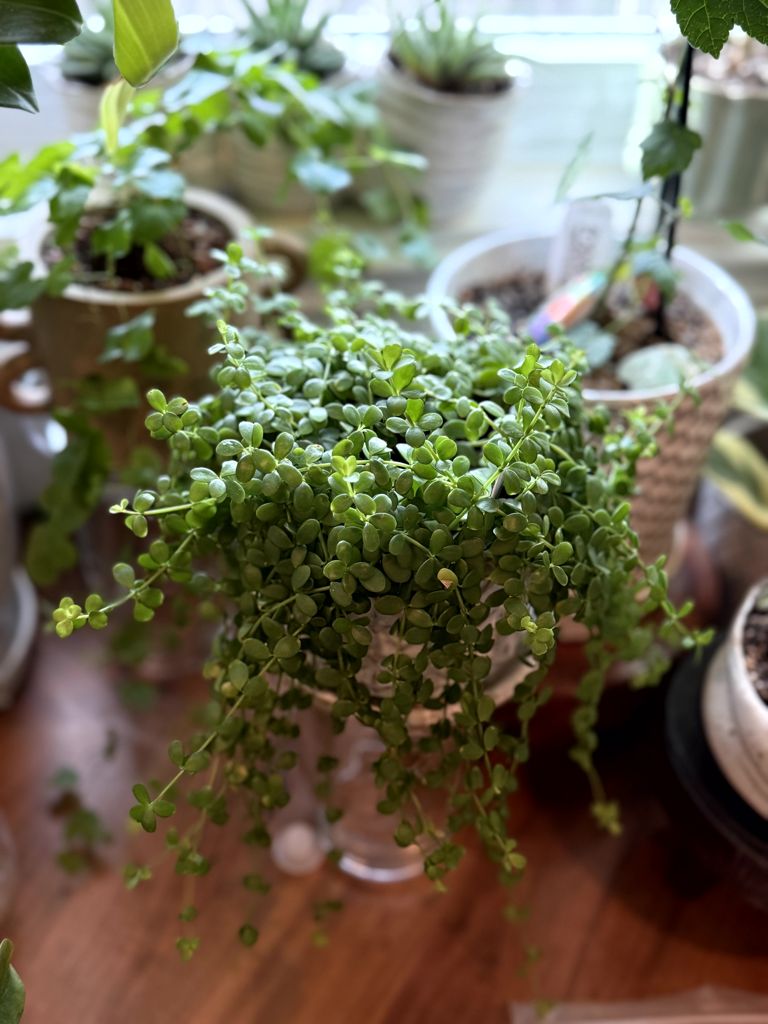

Have you ever brought home a houseplant, excited to watch it grow, only to be disappointed when it looked exactly the same 6 to 9 months later?
There are some super common reasons your plant isn’t growing that I bet everyone has been guilty of when caring for houseplants. I know I have been.
Reason #1: You put the plant where you wanted it instead of where it needed to be
Plants are often seen as decor items. I blame television the most for this.
TV shows focused on home design (and even shows and movies that are not) will place plants wherever the set designers think they will look good on screen. This means that small lemon trees with branches laden with juicy lemons are placed on coffee tables or kitchen islands in the middle of rooms, fiddle leaf figs are styled in dark corners, and so on.
Choosing placement based on where we’d like to see the plant is, unfortunately, a recipe for disaster.
These plants are already being asked to live inside our homes, where light and care conditions are drastically different from those outside. Remember that even on the sunniest day, your home (even to you, who is much less light sensitive) feels much darker than when you step outside.
Sunlight is food for your plant, vital for growth. So, if you want your plant to thrive, it has to be placed in a spot that receives the light it needs and that you find aesthetically pleasing or acceptable.
If you aren’t sure how much light your plant needs, researching is helpful.
I recommend placing plants within 2 feet of a window to start.
If the plant dries out within a week, its getting enough light to use up the water in its pot.
If it’s still wet after a week, it may need more light or some more troubleshooting to determine what is going on.
If the plant’s leaves develop white crispy patches, that is sunburn and the plant can be pulled a bit farther back.
If the leaves are fading in color quickly, that too could be from a bit too much light. Plants suffering from too much light is rarely an issue in Michigan, but it definitely is an issue for those who live in hotter, sunnier locations.
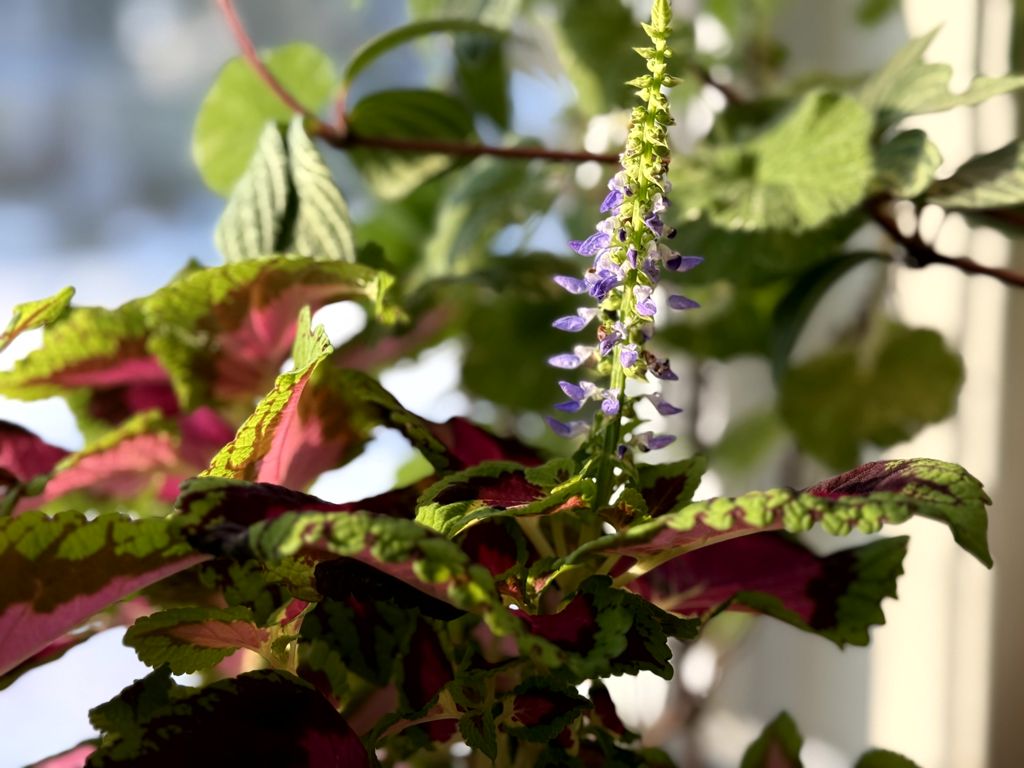
Reason #2: You water your houseplant when you remember to or feel like it, instead of when it needs water
A plant needs water when it is thirsty, just like we need water when we are thirsty. If the plant is dehydrated much of the time from lack of water, it won’t be able to grow (water is a key part of photosynthesis, which makes growth possible).
Despite this, many people water a houseplant once a week (and have no idea whether the plant is thirsty). Sometimes this works out just fine, but sometimes what the plant actually needs is vastly different.
Some water without any schedule at all. Instead, these people may water when it sounds enjoyable or when they remember.
If you are one of these people, it’s okay. We’ve likely all been there. I have. I spent many years (yes, years) doing it this way.
But there is a better way. Instead, set a regular reminder to check whether your plant needs watering.
When you are first trying to figure out how often your plant needs water, you will want to check the plant frequently: every day or every few days.
Do you need to know how to tell if your plant is thirsty? Click here to check out a blog post to help you do just that.
Once you know approximately how often your plant needs to be water, then you can lengthen the scheduled time you check to see if your plant needs to be watered and start to learn what your plant needs to thrive.
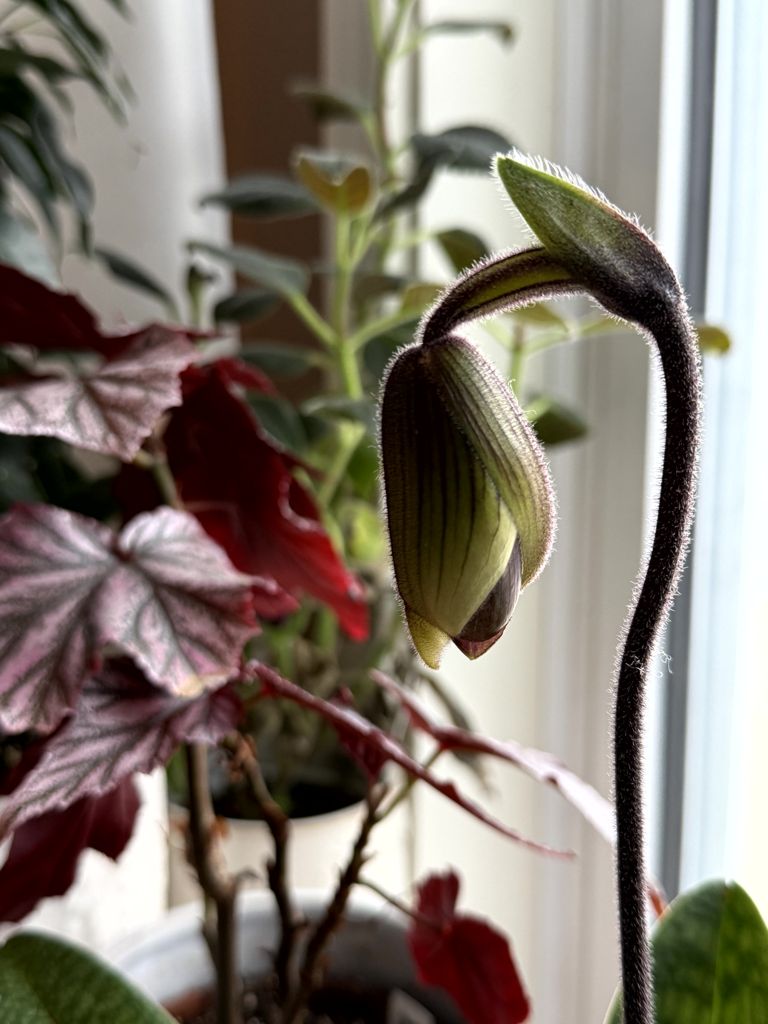
Reason #3: Your houseplant hasn’t been repotted or fertilized in years
If you haven’t repotted or fertilized your plant in years, it’s time!
It is true that the most important parts of a plant’s nutrition are light and water, but that alone doesn’t make a well-rounded diet.
The potting mix and space in a pot provide nutrients for the plant (kind of like vitamins for us) and space for the roots to grow.
If the nutrients are gone in the potting mix and/or the roots have consumed all of the space in the pot, that by itself can slow or stop the growth of the plant.
One way to replenish nutrients in the potting mix regularly without repotting is to fertilize.
Fertilizing can feel very overwhelming at first, but the reality is that any houseplant fertilizer applied according to the directions is highly likely to be successful.
To be extra cautious, many of us cut the recommended fertilizer amount in half so the risk of fertilizer burn (where the plant is damaged from overfertilizing) is nearly zero.
Even if you do not do this, you are likely to be successful as long as you have your plant in a pot with drainage holes so excess water and fertilizer are flushed out of the pot, rather than trapped around the roots, causing potential issues.
You got this, and your plant will love you for it!
Disclaimer
This advice may not work for every houseplant grower, but it works for me and my plants!
If you do something different that works better for you, share it in the comments below!
That’s how we learn and grow as a community.
Related Posts
Recap 2025: The Joy is in the Journey of Growing Houseplants
Decluttering Your Houseplants Will Make You Love Your Plants More. Here’s Why.
Exposing My Simple Pest Management System I Wish I Started Years Ago!
0 Comments